
Guide
A bathroom remodel without the demolition
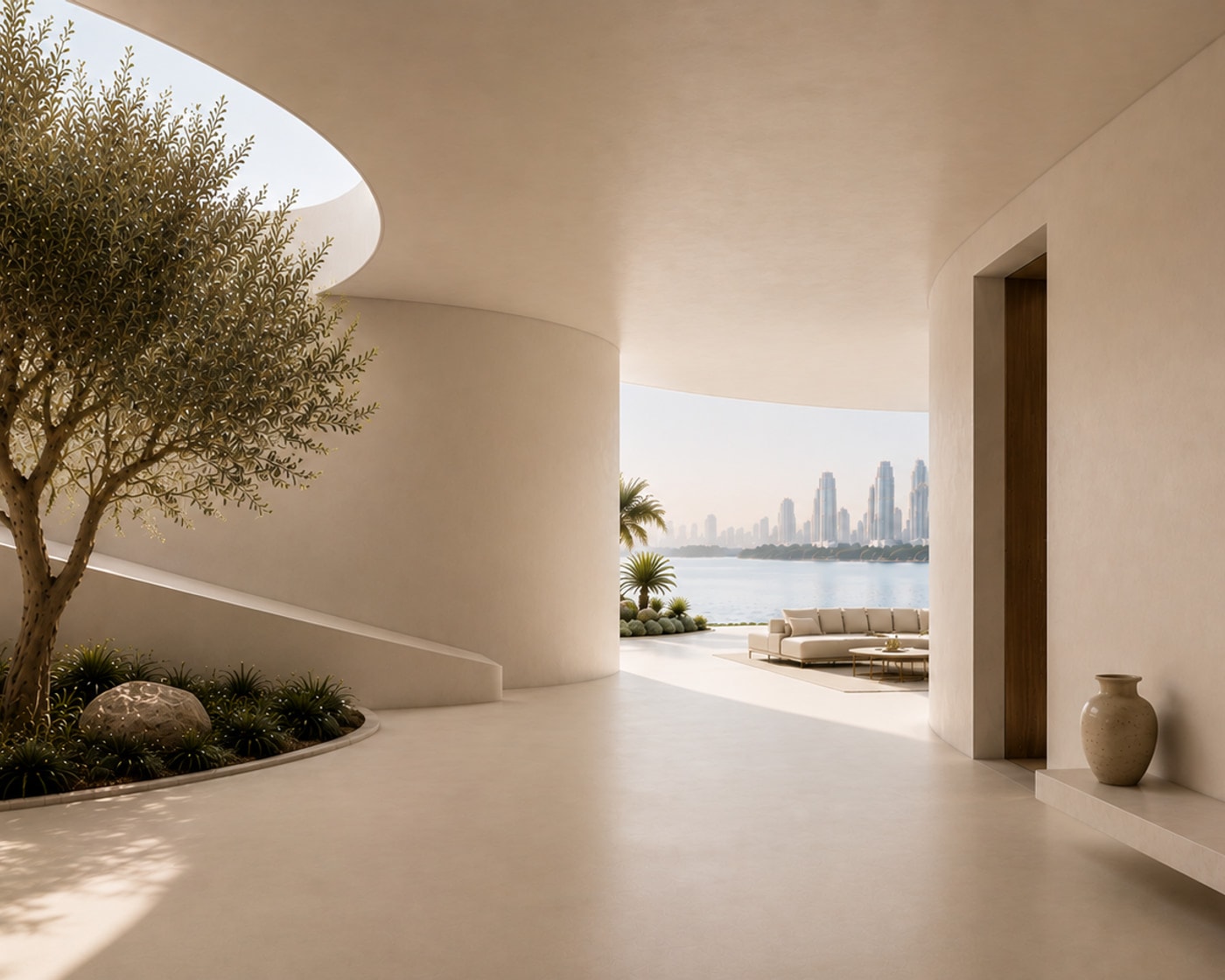
A new bathroom, over the old one.
A traditional bathroom remodel starts with demolition: tiles off, surfaces out, everything to the skip. Microcement offers a different route — a thin, seamless mineral surface applied over the existing tiled walls, floor and even the shower, transforming the room without ripping it apart. Less mess, less time, and a completely modern, grout-free result.
What can be resurfaced
- Tiled walls and feature walls
- The floor — over tile or existing surfaces
- The shower, as a waterproofed system
- Around the bath and vanity
- Niches, benches and steps
How the remodel goes
After a site visit to check the existing surfaces, sound tile and substrate are prepared — cleaned, grout lines filled, anything loose made good, then primed. The microcement is built up in base and finish coats and sealed with a topcoat chosen for a bathroom's water and cleaning. Fixtures and fittings are worked around or updated as you wish. The room stays largely intact throughout, so there's far less dust, noise and disposal than a tear-out.
Why people choose it
- No demolition, far less dust and disruption
- A seamless, grout-free bathroom that's easy to clean
- Often faster and less costly than a full tear-out
- A contemporary, hotel-like finish
- The same surface can flow across walls, floor and shower
What to know
It's not right for every bathroom — a room with underlying damp, movement or badly failed tiling needs those issues resolved first, and sometimes a full renovation genuinely is the better path. Waterproofing in the wet areas is treated as a system and never cut short. A site visit is how we tell you honestly whether a no-demolition approach fits your bathroom, or whether you'd be better served another way.